The Places We Didn’t Look From
Sigg Fellowship for Chinese Art Research, M+ (2026)
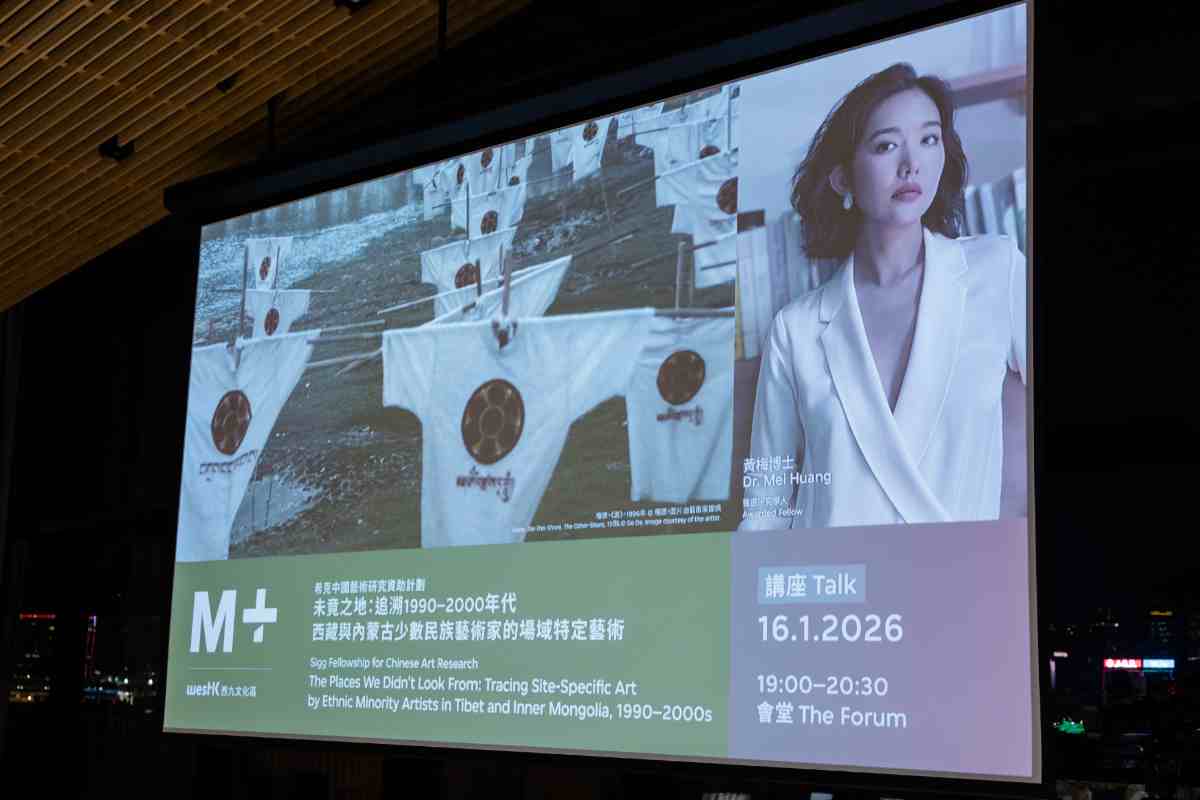
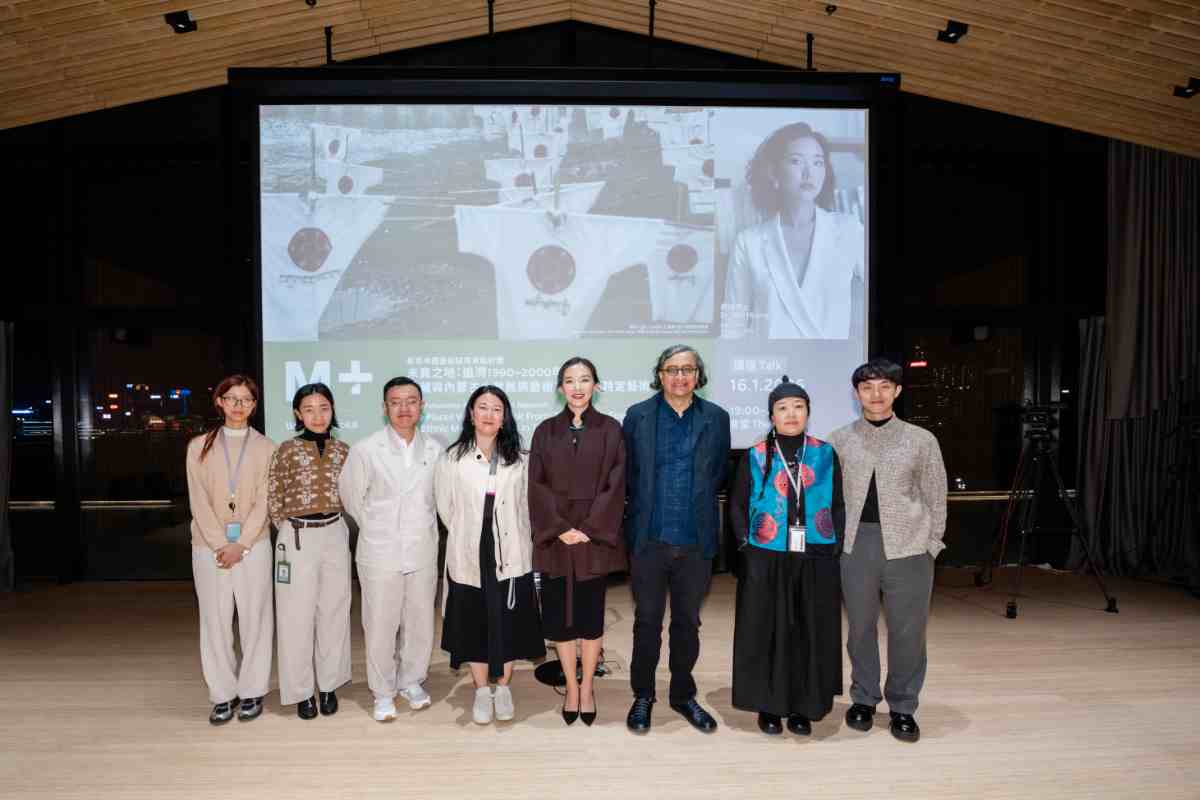
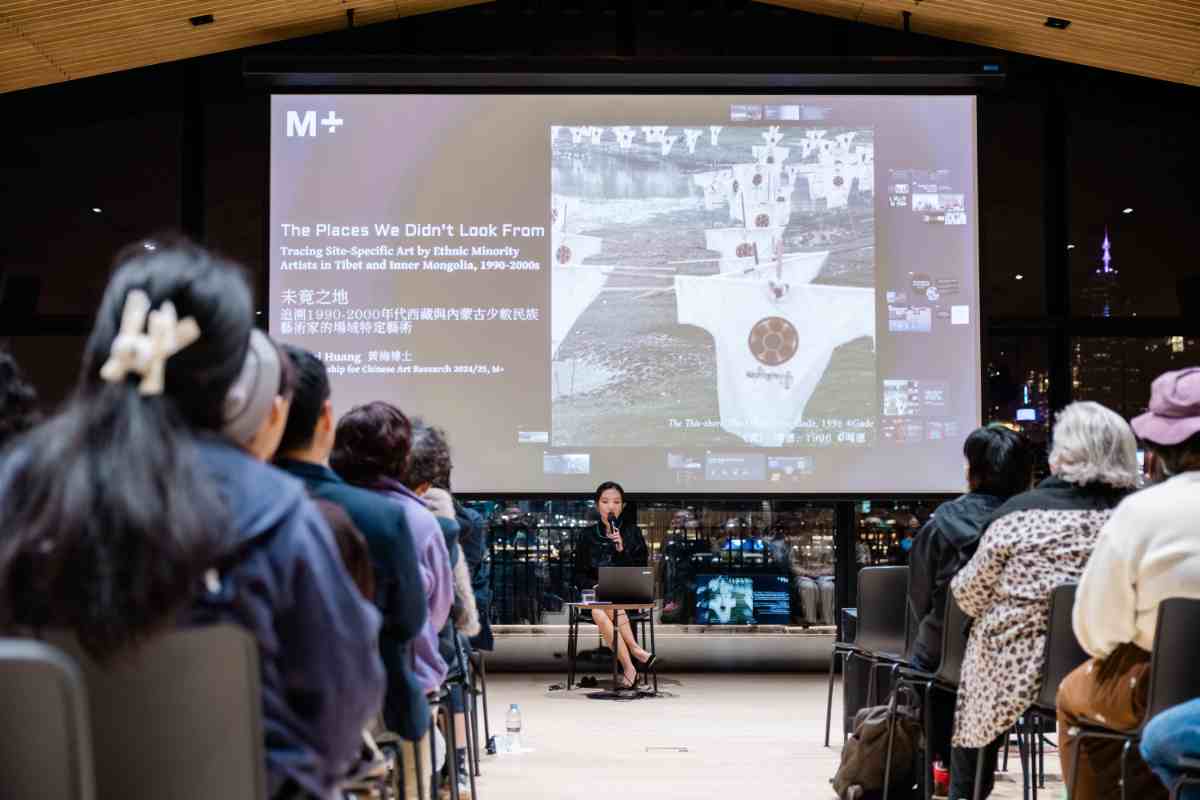
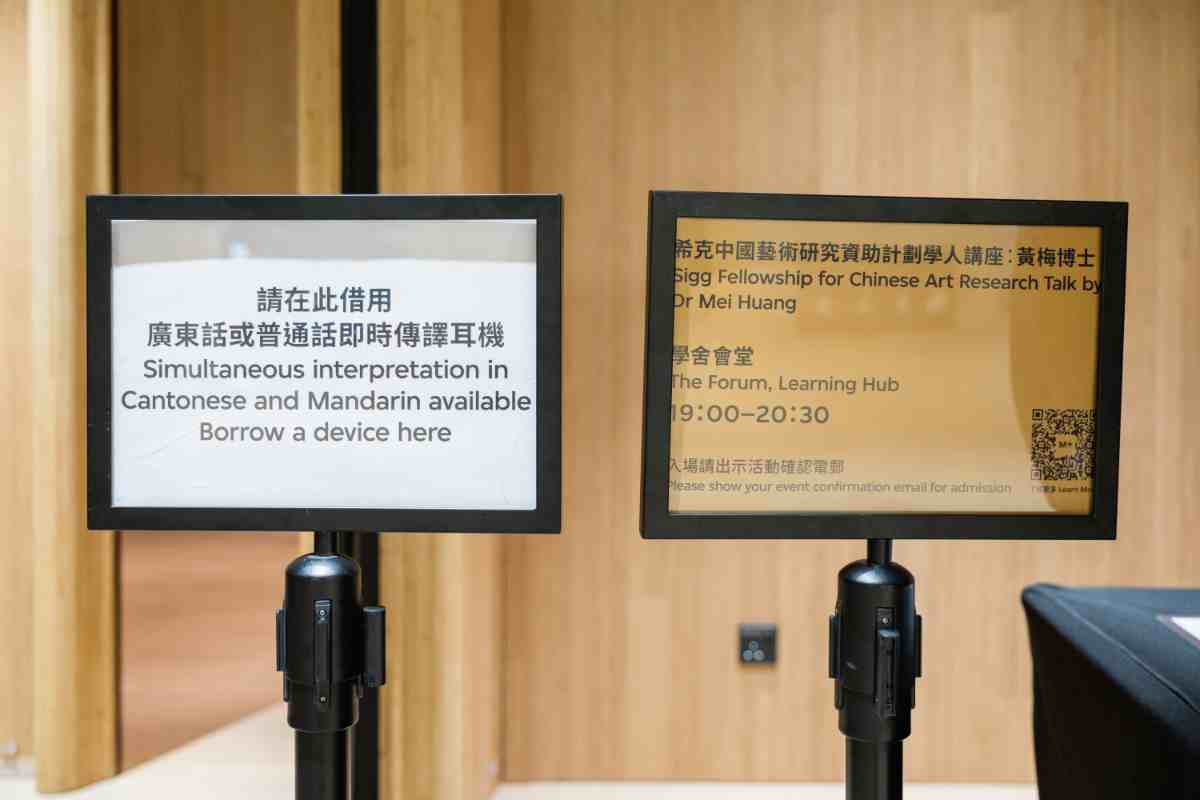
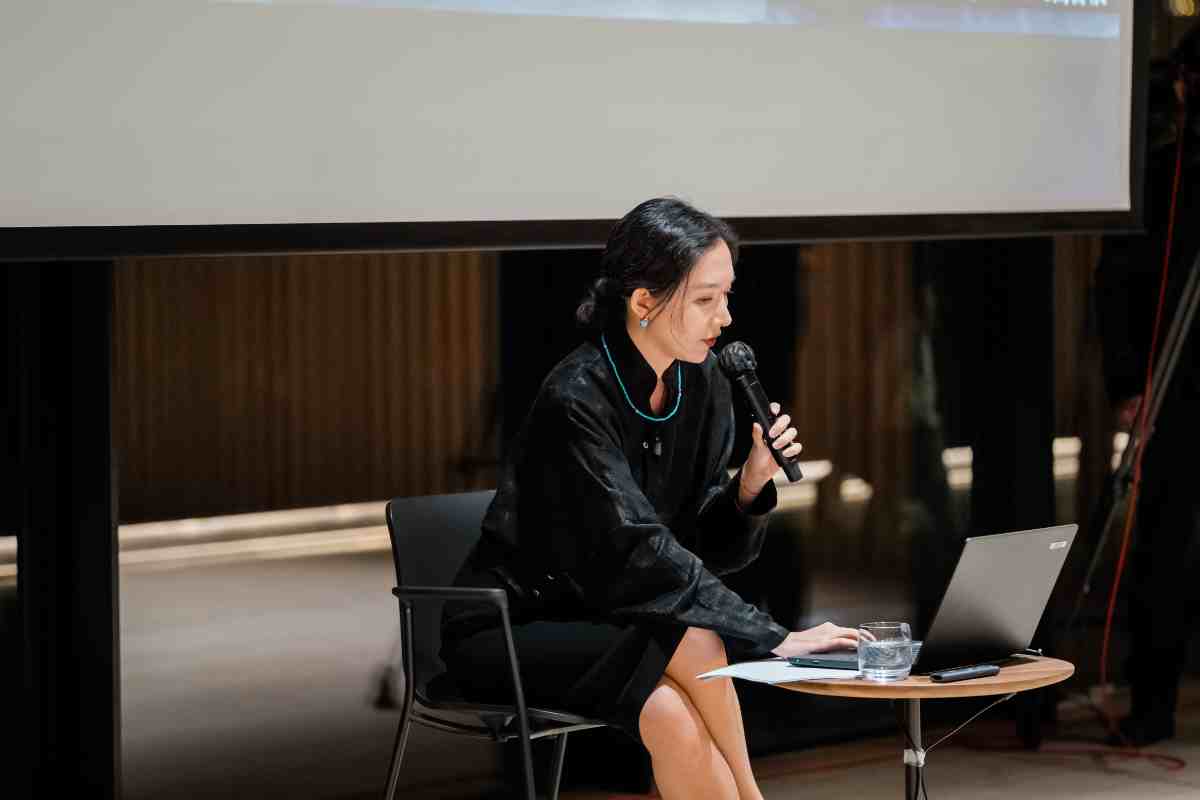
In 2026, Mei Huang was awarded the Sigg Fellowship for Chinese Art Research by M+ for her research project The Places We Didn’t Look From.
The project examines site-specific artistic practices developed by ethnic minority artists in Tibet and Inner Mongolia during the 1990s and 2000s, focusing on how artists engaged with landscape, religious space, local experience, and bodily intervention in response to the profound social, political, and economic transformations taking place in frontier regions during the post-reform era. The research particularly investigates how these artistic practices emerged outside the dominant narratives of Chinese contemporary art centred on metropolitan cities such as Beijing and Shanghai, developing alternative artistic languages rooted in local geography, cultural memory, and spatial experience.
Using site-specificity as a central methodological framework, the project explores how artists transformed natural environments, historical memory, nomadic traditions, religious symbolism, and localized spatial perception into integral components of artistic practice. Rather than approaching site-specific art solely through Euro-American modernist frameworks, the research examines how artists in Tibet and Inner Mongolia developed forms of spatial practice deeply connected to frontier realities, cultural negotiation, and questions of ethnic and regional identity.
Through the study of exhibition archives, artistic interventions, artist interviews, field research, and local cultural contexts, the project further considers the frontier not only as a geographic periphery, but also as a position shaped by visibility, cultural power, and historical narration. The research seeks to reconsider the dominant art historical frameworks of Chinese contemporary art, which have often been constructed around Han-centric perspectives, urban modernity, and centralized cultural narratives, while repositioning minority artistic practices within broader discussions of contemporary art history and Global South discourse.
Situated at the intersection of contemporary art history, border studies, postcolonial theory, and spatial politics, the project explores how contemporary art can function as a critical medium through which local experience, historical memory, and social transformation are negotiated and reimagined from the margins.
Presentation: https://www.youtube.com/watch?v=UKUwlKhbWzs
Article: https://www.mplus.org.hk/en/magazine/site-specific-art-from-tibet-and-inner-mongolia/